


If you’re thinking about buying gold for the first time, gold coins may seem like a simple option: a small piece, easy to store, and sellable when needed. But a good purchase decision doesn’t depend on the coin’s appearance alone. The final value is affected by the weight of gold, its purity, the market price at purchase time, any added costs, and how easy it is to resell.
In Saudi Arabia, understanding these details helps you distinguish between a suitable saving purchase and a beautiful piece that may carry a design or making cost higher than the gold value itself. Gold prices change, so don’t make your decision based on an old figure or an ad without a date.
What Are Gold Coins?
A gold coin is a piece made of gold or an alloy containing a specified percentage of gold, typically sold by weight and karat. It may be intended for investment and saving, and may carry decorative designs or additional cultural or historical value.
When buying a coin for investment, the value of the gold it contains is the primary factor. If it’s a rare or old piece, other factors may come into play, such as rarity, condition, documentation, and collector demand. A beginner without experience in historical pieces is often safer starting with a clearly specified weight and karat from a trusted seller.
Data from the World Gold Council shows that investment coins typically fall within a purity range from 91.67% for 22K to 99.99% for 24K, and that the value of investment coins largely depends on their gold content.
Why Do Some People Choose Gold Coins?
Gold coins combine owning a physical asset with the ability to buy a relatively small weight. This makes them suitable for those who want to build savings gradually rather than buy a large bar in one go.
Key advantages include:
•Easy to start with a limited budget compared to larger weights.
•Ability to choose different weights to match the budget.
•Easy to store in an envelope or suitable box.
•Ability to split savings into multiple pieces instead of one large piece.
•The piece’s value is tied to gold prices, with possible added value for design or issuance.
But that doesn’t mean gold guarantees a profit. The price may drop after purchase, and you may lose part of the spread between buy and sell prices or making charges if you sell in the short term. Treat gold coins as part of a saving or diversification plan, not a full substitute for cash or all investments.
Types of Gold Coins You May Find in the Market
Modern investment coins
These pieces have specified weight and karat, with the primary goal being gold ownership. The clearer the specifications and the more trustworthy the source, the easier it is to evaluate at purchase and resale.
Decoratively designed coins
They may carry engravings or details that make them suitable for gifting as well as saving. Here, ask about the portion that reflects the gold’s value and the portion representing manufacturing or design costs, because the price may not equal raw gold alone.
Old or rare coins
Their value may increase due to their history, rarity, or condition. But they require expertise and independent assessment, since gold weight alone isn’t enough to evaluate them. Don’t pay a large premium for an old piece just because it looks different, unless you get clear documentation and an appraisal from a specialist.
The Difference Between 22K and 24K
Karat expresses the proportion of gold in a piece out of 24 parts. 24K gold is the highest commercially common purity, whereas 22K contains about 91.6% gold, with the remainder typically added to improve hardness or manufacturing properties.
24K:
•Higher purity.
•Clearer linkage to raw gold value.
•Requires more care as high-purity gold is relatively softer.
•Suitable for those focused on gold content and a clearly pure product.
22K:
•High purity at about 91.6%.
•Relatively higher hardness than 24K.
•May suit coins with engravings or fine design.
•You must calculate the pure gold weight when comparing its price to a 24K piece.
There is no one-size-fits-all karat. The best karat is the one that suits your goal, budget, purchase cost, and resale ease. When comparing two pieces, don’t compare price alone; calculate the pure gold content in each.
How Do You Calculate Pure Gold Content?
Use a simple formula:
Pure gold weight = total weight × purity percentage
For example, a piece weighing 8 grams of 22K contains approximately:
8 × 0.916 = about 7.328 grams of pure gold
A 4-gram piece of 24K contains approximately 4 grams of pure gold, noting that actual purity should be evidenced in the product details or invoice.
This formula doesn’t give the final selling price, because pricing may include manufacturing costs, the seller’s margin, and any fees or taxes applicable to the transaction. But it helps you make a fair initial comparison between weights and karats.
How Are Gold Coin Prices Determined?
When searching for the price of gold coins, note that a coin’s listed price isn’t necessarily the raw gold price alone. It often consists of multiple elements:
•The global or reference gold price at the time of pricing.
•Currency exchange rates if applicable.
•The piece’s weight and purity.
•Manufacturing or engraving and packaging costs.
•Seller margin.
•Applicable taxes or fees on the product and transaction.
•Possible added value for design or rarity.
The World Gold Council clarifies that the market doesn’t rely on a single spot price; there are global reference prices and important regional prices for local markets. So you may see a difference between the announced gold price and a specific piece’s price in-store.
Before buying, ask for:
1.Exact weight.
2.Karat or purity percentage.
3.Final price in Saudi riyals.
4.Whether the price includes any tax or fees.
5.Whether there are making charges or packaging costs.
6.How the store calculates buyback price, if this service is available.
The Zakat, Tax and Customs Authority notes that VAT applies to goods and services with exceptions, and emphasizes the importance of a tax invoice and its key details. Therefore, don’t rely on a generic phrase like “VAT-exempt” without reading the product description and final invoice, especially if the product’s nature or purity differs.
Two Examples from Madina Jewelleries
24K Gold Coin, 4 g
The product page shows a name indicating a 24K gold coin weighing 4 grams, and the weight field on the page lists 4 g. The page also shows varying marketing texts about weight, so rely on the weight field and final invoice when purchasing, and confirm all details with the store before paying.
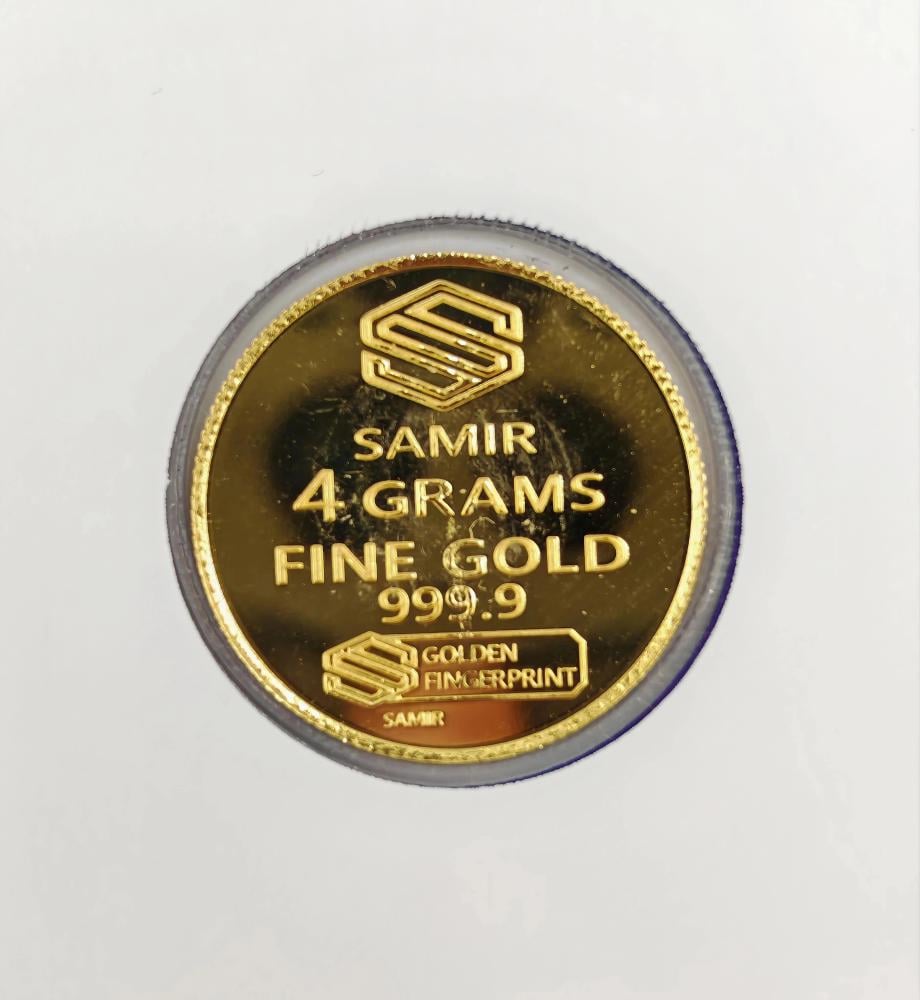
24K gold coin weighing 4 grams — verify the weight and final price on the product page before buying.
If your goal is to test investing with a small weight, this type may be practical for ease of acquisition. But don’t decide based on karat alone; compare the final price to the pure gold content, and ask about making charges and the exchange or buyback policy.
You can review the
24K gold coin 4 g page for the latest available data.
22K Gold Coin, 8 g
The product page lists a 22K gold coin weighing 8 grams, with stated purity of 91.6%. It’s described as suitable for saving, investing, and gifting, with engravings and fine designs.
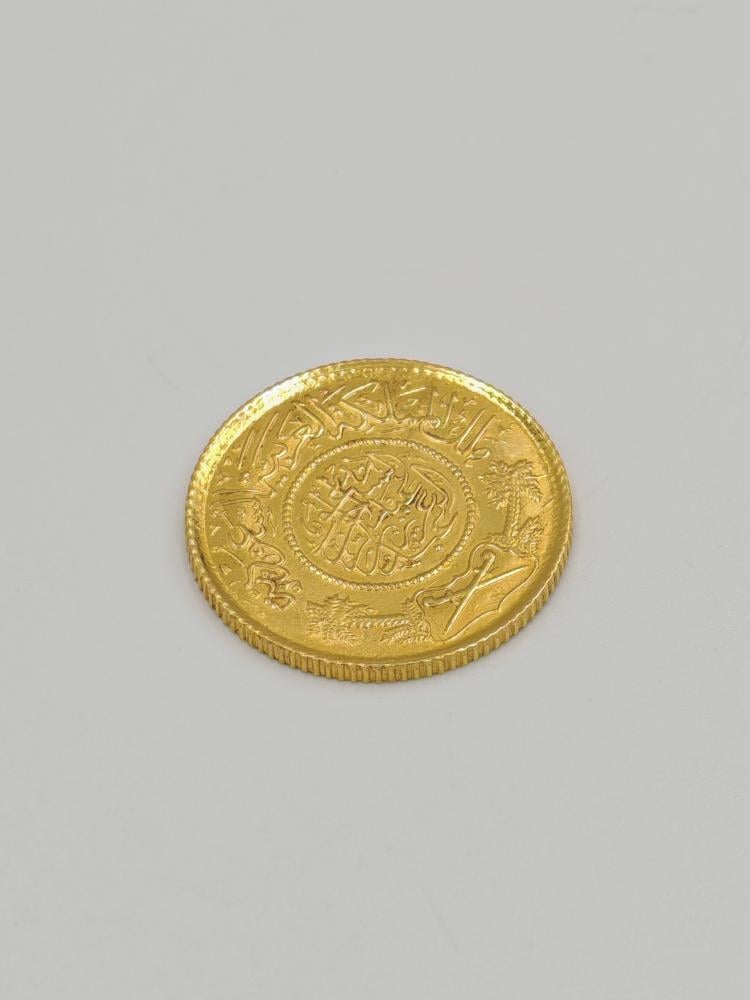
22K gold coin weighing 8 grams — a choice that combines gold content and design; remember to check the current price.
This piece contains approximately 7.328 grams of pure gold if the weight is 8 grams and the purity is 91.6%. This is a comparison method only, not a final product valuation, because the price may include other elements.
For current specifications, see the
How to Choose the Right Gold Coin
Start by defining your goal before browsing products. Do you want long-term saving? A gift? A collectible? Or a small weight to test the market? The answer changes how you compare.
If your goal is saving:
•Choose a weight and karat clearly documented.
•Minimize design and making charges if they don’t matter to you.
•Keep the invoice, packaging, and any product certificate.
•Choose a product that another dealer can easily understand at resale.
If your goal is gifting:
•Design and packaging may be as important as gold content.
•Ensure karat and weight details are clearly written.
•Keep product information so the recipient knows its value and care instructions.
If you’re interested in old pieces:
•Don’t confuse historical value with metal value.
•Ask for an independent appraisal if paying a large premium.
•Don’t rely on engraving look or a rarity claim alone.
Safe Buying Steps
1. Choose a verifiable seller
Check the store name, contact details, invoice, VAT number, and exchange/return policy. Having a clear online store doesn’t replace reading the terms of sale, but it helps you refer back to product details.
2. Match the data before paying
The product name must match the weight and karat on the page and invoice. If you find a discrepancy between the title and description, ask for written clarification before completing the order. This is especially important for products with multiple marketing descriptions.
3. Ask about the full cost
Get the final price, then mentally separate the gold value from any additional costs. Don’t compare a 22K piece to a 24K piece by total price alone.
4. Keep your documents
Store the invoice, product image, and order number safely. These documents help with exchanges, proving purchase source, and understanding specifications at sale.
5. Inspect the piece upon receipt
Check packaging integrity, listed weight and karat, and any visible discrepancies between the product and the image/description. If there’s a material difference, contact the store before using the piece or removing any labels or packaging.
Storage and Care
Keep gold coins in their box or sleeve and avoid frequent handling. High-purity gold can scratch, and heavy cleaning may affect engraved surfaces. Don’t use household chemicals, and don’t store pieces with other jewelry without separators.
If your holdings are valuable, consider a suitable safe or safety deposit box, and keep a record with photos, weights, and invoices. Don’t post pictures of your collection with storage details or value on social media.
When Should You Sell?
There’s no guaranteed time to sell, and a one-day price rise isn’t proof of a lasting trend. Set your reason for selling in advance: cash need, rebalancing savings, reaching a target, or reducing gold concentration in your assets.
Before selling, get quotes from more than one party. Ask whether the original making charges are fully deducted, whether there’s a testing or smelting fee, and whether your piece is evaluated as raw gold or as a coin with design/collectible value. Keep your invoices—clear source and specifications may help with valuation.
Common Mistakes to Avoid
•Buying a piece because its price dipped slightly without knowing the actual gold price.
•Paying a large premium for a design you don’t care about if your goal is saving.
•Ignoring the difference between total weight and pure gold weight.
•Relying on the product image instead of reading weight, karat, and invoice.
•Buying old or rare coins without independent appraisal.
•Putting all savings into gold or a single asset.
•Treating “guaranteed investment” as a promise of profit.
•Neglecting storage, insurance, and resale costs.
Are Gold Coins Suitable for Beginners?
They can be suitable if the buyer starts with an amount they can afford to lock up, understands that gold prices fluctuate, buys from a trusted source, keeps the invoice, and compares purchase costs with future resale potential. If you’ll need the money soon, physical gold may not be suitable due to the buy-sell spread and transaction costs.
The World Gold Council recommends viewing gold as part of a diversified portfolio and outlines potential roles such as diversification, liquidity, and reducing some portfolio risks, with the appropriate percentage varying by investor circumstances. This isn’t a recommendation of a specific allocation for everyone—just a reminder that gold shouldn’t replace an emergency fund or diversification.
Frequently Asked Questions About Gold Coins
Is 24K always better than 22K?
Not always. 24K is higher purity, while 22K contains about 91.6% gold and may give the piece greater hardness. Compare pure gold content, cost, and resale ease instead of relying on karat alone.
How do I know today’s gold coin price?
Start with the reference or local gold price at purchase time, then ask the store for the final coin price after adding any making charges or fees. Don’t use an old price from an article or ad image.
Should I buy a small coin or a larger weight?
Smaller weights make it easier to start and split savings, while the price per gram may differ due to manufacturing and packaging costs. Calculate the price per pure gram and compare multiple weights.
Are gold coins better than bars?
It depends on your goal. Bars may be more straightforward in pricing by weight and purity, while coins offer portability, design, and may be easier to gift. Compare making charges, liquidity, and documentation.
Should I keep the packaging and invoice?
Yes. Keep them along with photos of the piece and any certificate or serial number. Documents don’t automatically raise the price, but they help verify details and facilitate exchange or sale.
Does investing in gold coins guarantee profit?
No. Gold is a volatile asset, and you may lose the buy-sell spread or making charges if you sell quickly. Treat it as a saving and diversification tool, not a guaranteed return.
Can I clean a gold coin at home?
Avoid heavy cleaning. Store it in suitable packaging and consult the seller or a specialist if you notice marks or surface changes, especially if it has engravings or collectible value.
What if the product description differs from the weight on the invoice?
Pause the purchase or don’t use the product after receipt, and request written clarification from the store. Rely on the final confirmed data on the invoice, and don’t assume marketing copy corrects itself.
Conclusion
Gold coins can be a practical entry point to saving in gold—especially when you choose a clear weight and karat and buy from a trusted source. The best decision doesn’t rely on a coin’s shine or the phrase “guaranteed investment,” but on calculating pure gold content, understanding the price of gold coins, reviewing the invoice, and knowing storage and resale costs.
If you’re looking for a small piece, see the
24K gold coin 4 g. If you prefer a larger weight with 22K and a clear design, check the
22K gold coin 8 g. Review the price, specifications, and final invoice before paying, as prices and availability may change.